Angular Development Services

From MVP to production release, our Angular app development services deliver a typed, modular architecture your in-house team can extend without a rewrite.

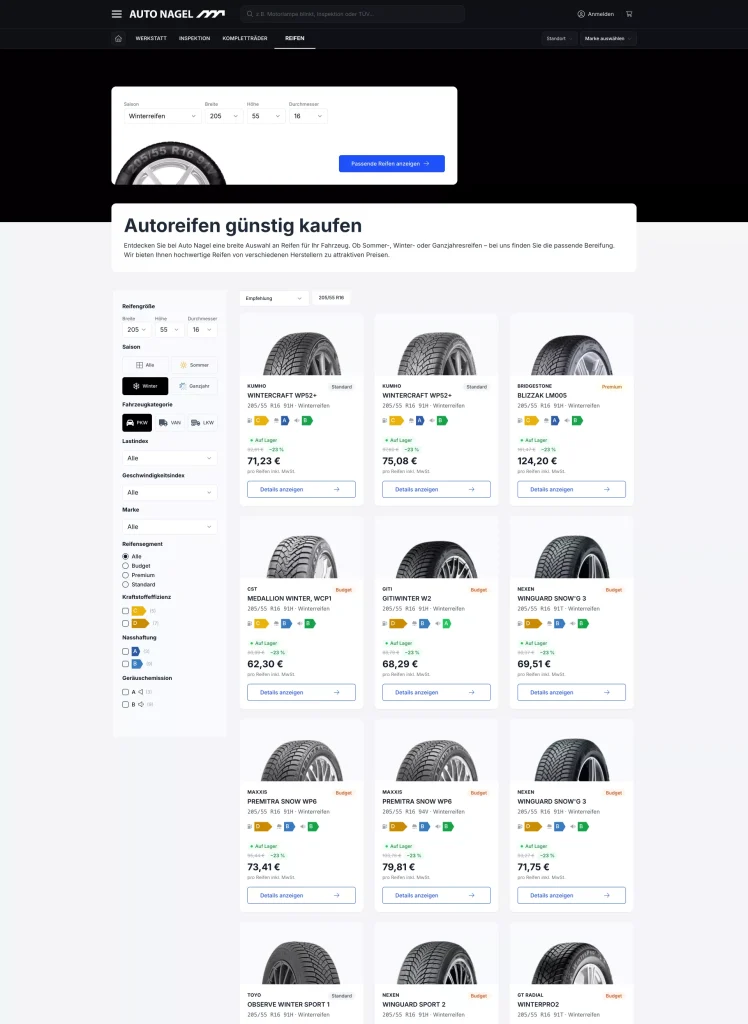
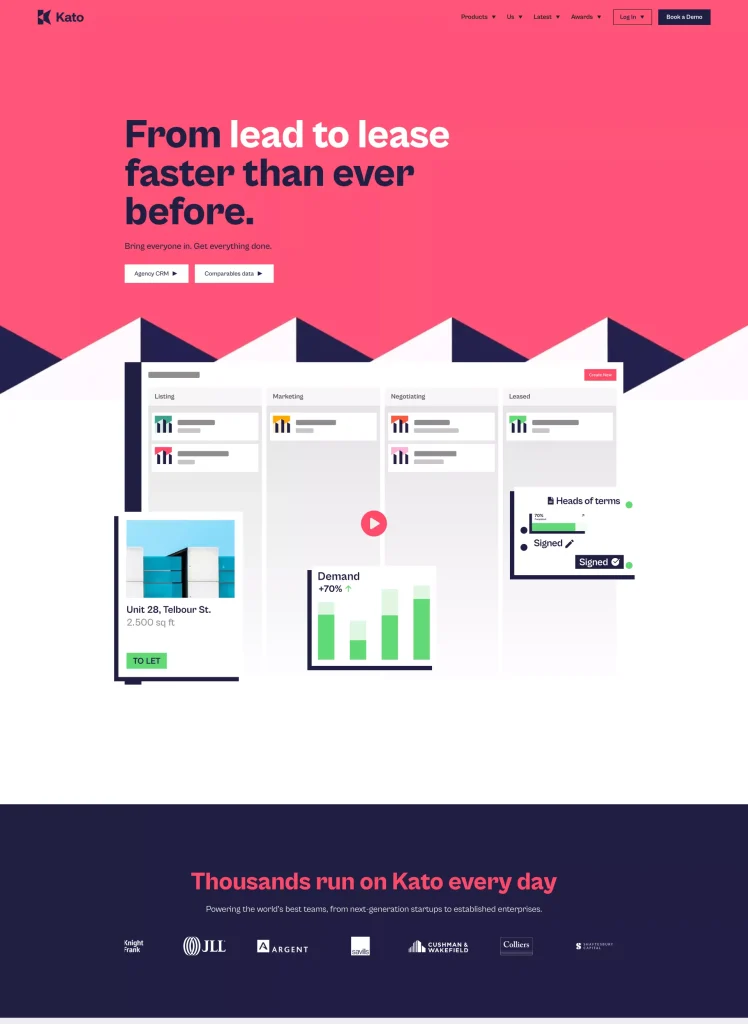
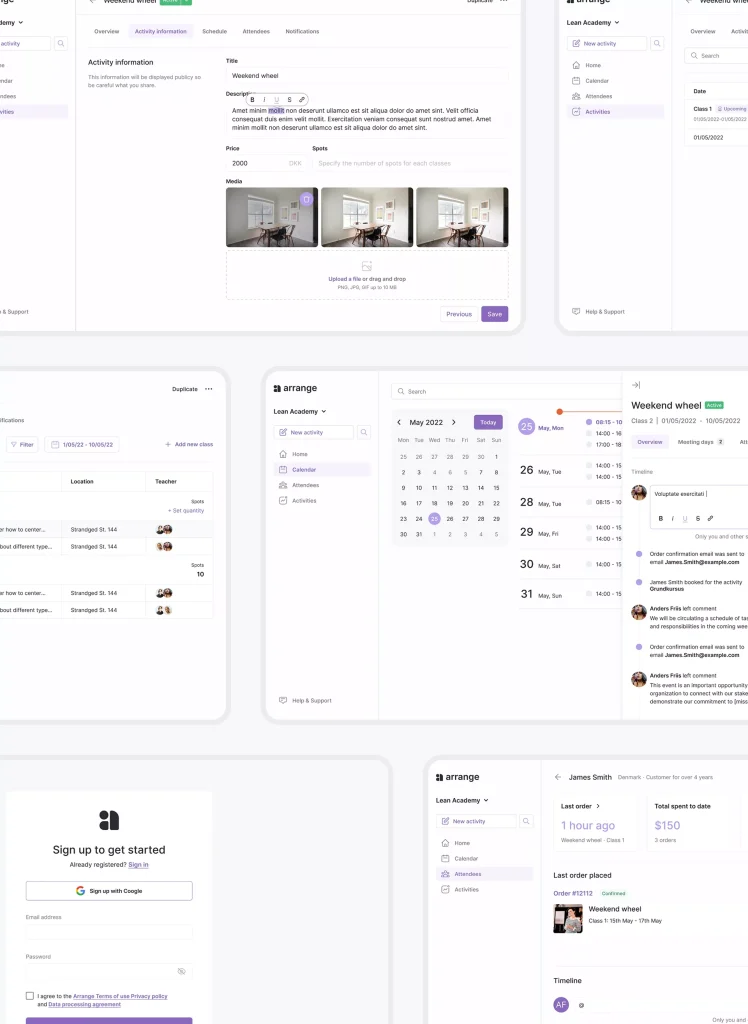
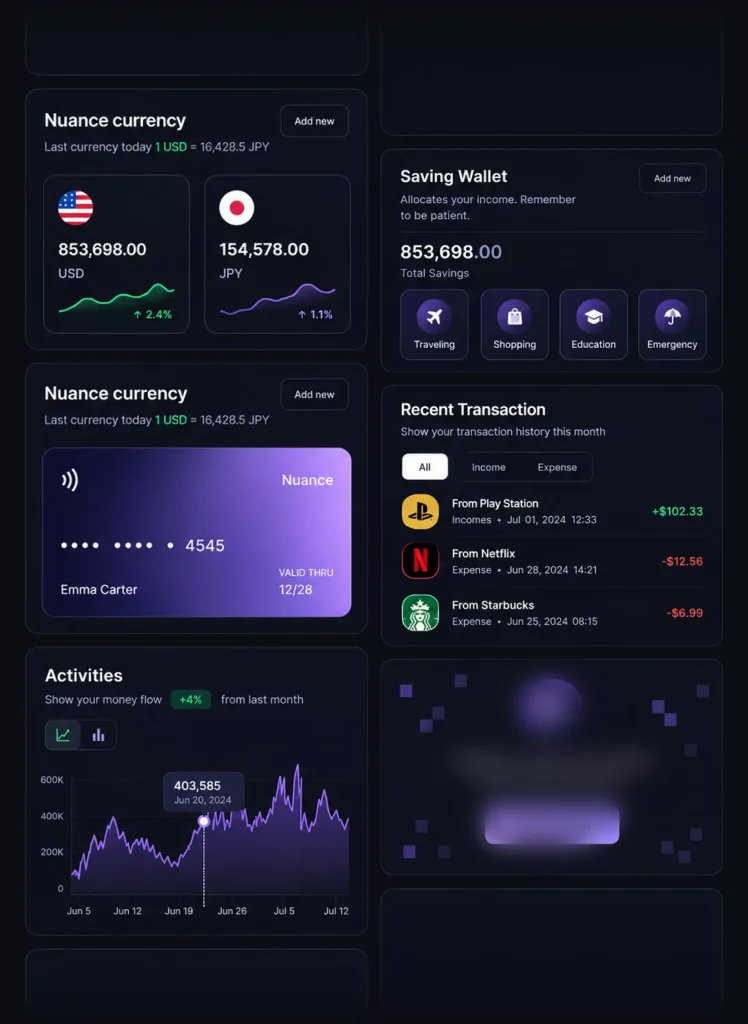
Custom Angular Apps

Web development icon Enterprise Dashboards
Admin panels, analytics views, and role-based portals built with disciplined state management and lazy-loaded modules that stay fast as data volume grows.
Custom software development icon AngularJS Migration
We move legacy AngularJS codebases to modern Angular incrementally – business logic preserved, product live, and releases shipping throughout the transition.
SaaS development icon Front-End Integration
Angular front ends connect to your APIs and data services, backed by our Node js development services.
Support and scaling icon Support & Scaling
Scale a dedicated Angular team as your roadmap shifts, with code reviews, performance audits, and structured maintenance after launch.

Who We Serve

Industry icon SaaS Platforms
Multi-tenant dashboards, billing flows, and role-based portals built on Angular’s typed architecture, so your product scales without a rewrite.
Industry icon Fintech & Insurance
Secure client portals and reporting tools where audit trails, data validation, and predictable release cycles matter more than framework trends.
Industry icon Healthcare & MedTech
Patient and provider interfaces built to strict access-control and privacy rules, with maintainable code your compliance reviewers can follow.
Industry icon Logistics & Supply Chain
Real-time tracking screens and operations consoles that stay responsive under heavy data loads and long shifts in the browser.
Industry icon Retail & Marketplaces
Angular application development services for storefronts, vendor panels, and checkout flows that hold up as catalogs and traffic grow.
Industry icon Professional Services
Angular web development services for booking systems, client portals, and internal tools that replace spreadsheets and manual handoffs.

Why Teams Choose Intobi

Scalable architecture icon
Architecture Built to Scale
Our custom Angular development services start with modular, typed architecture that scales as you grow.
Senior engineers icon
Senior Angular Engineers
Dedicated Angular specialists own your codebase end to end – no handoffs, no ramp-up gaps.
Award badge icon for Clutch recognition
Proven Track Record
Clutch Global 2024 honoree and Clutch Champion 2023, building software for growing businesses since 2017.
Fast reply icon
Fast, Direct Communication
New project inquiries get a reply within 1 business day, directly from our CBDO.
Ongoing support icon
Support Beyond Launch
Our Angular web development services continue after release with monitoring, updates, and iteration.

Years in business

10+

Completed projects

100+

Trusted by numerous partners

Our Angular Delivery Process

Discovery

Step 1

Scope, goals, and technical audit
We map your product goals, users, and current stack – including any legacy AngularJS code – then agree on scope, risks, and priorities before a single line of code is written.

Architecture & design

Step 2

Architecture and UI/UX blueprint
Architects define module structure, state management, and API contracts, while our front-end development services team shapes the interface, so custom Angular development services start from a clear plan.

Development

Step 3

Build in reviewable sprints
A dedicated senior team writes typed, modular Angular code in short cycles. You review working increments on a staging environment and reprioritize the backlog before the next sprint starts.

Quality assurance

Step 4

Testing, review, and hardening
Every merge passes peer review, unit and end-to-end tests, and performance checks. For regulated products, we also validate access control, audit logging, and data handling.

Release

Step 5

Deployment and handover
We ship through automated pipelines, watch the first releases closely, and hand over documentation, environment access, and a codebase your in-house engineers can confidently own.

Support & scale

Step 6

Ongoing support and iteration
After launch, we monitor performance, patch dependencies, keep your Angular version current, and plan the next release cycle as traffic, features, and integrations grow.

What Clients Say About Working With Intobi

“The quality of their work consistently exceeds our expectations. Intobi’s work has consistently exceeded the client’s expectations in terms of quality and reliability. The team manifests their professionalism through timely deliverables, prompt support, and clear communication. They also boast a strong work ethic and are highly responsive to the client’s needs.”

Anonymous Executive, Response.AI

“They demonstrated excellent communication with our development team and resolved any questions about the backend. Intobi delivered a complex interface and functionality in record time, incorporated into an existing platform’s backend. The team smoothly interfaced with the in-house developers, excellently communicating on Slack and Zoom and resolving any concerns. Moreover, their honesty and openness stood out.”

Yuriy Tyurin Director, ConceptAngle Consulting Pty Ltd

“Everything was great. Intobi delivered the client’s application on time. The team was responsive, cooperative, and solution-oriented. Intobi communicated via virtual meetings, email, and messaging apps. They had good availability, pricing, and a friendly approach, and the client was pleased with their performance.”

Mirko Friedrich CEO, Software Agency

Common Questions About Angular Projects

Contact us
Is Angular still a relevant choice for enterprise projects?
Yes. Angular ships on a predictable release cadence with long-term support versions, a typed foundation in TypeScript, and a complete toolchain – router, forms, testing, dependency injection – maintained in one framework. For teams running long-lived products, that consistency lowers maintenance risk compared with assembling a stack from independent libraries. Angular web development services remain a strong fit for data-heavy dashboards, internal platforms, and regulated workflows.
What determines the scope of an Angular project?
Scope comes down to a few variables: how many screens and user roles the product needs, the complexity of state and real-time data, how many external systems must be integrated, and whether you are starting fresh or working inside an existing codebase. Compliance requirements and design-system depth add engineering effort too. We map all of it during discovery and put a written scope in front of you before development starts.
What engagement models are available for Angular projects?
Three common setups. A fixed-scope build works when requirements are clear and documented. A dedicated team places senior Angular engineers inside your workflow, reporting to your product lead. A flexible retainer suits ongoing feature work and maintenance after launch. Many clients begin with a discovery phase, then pick the model that matches how their roadmap is funded.
How do you handle legacy AngularJS to Angular migration?
Incrementally, not in one risky rewrite. We audit the existing codebase, then run old and new code side by side so features move module by module while the product stays live. Business logic is ported and covered by tests, templates and state are rebuilt on modern Angular patterns, and we retire the legacy layer only once its replacement is verified in production. You get a migration plan with clear checkpoints instead of a release freeze.
What ongoing support and maintenance is included after launch?
Post-launch work typically covers framework and dependency upgrades, performance monitoring, bug fixes, security patching, and incremental feature releases. We also document architecture decisions so your in-house developers can work confidently in the codebase. Support scope is agreed up front – some clients keep a small retained allocation, others bring us back for scheduled upgrade cycles.
How does Angular ensure security and stability for regulated industries?
Angular helps by default: templates escape interpolated values to reduce XSS exposure, the HTTP client includes CSRF protection, and strict typing catches contract errors before release. Stability comes from the framework’s long-term support versions. The rest is engineering discipline – role-based access control, audit logging, encrypted data in transit, and code review against your compliance requirements. We build to the standard your auditors expect.
How does onboarding a dedicated Angular team work?
We start with a short technical call to confirm the stack, scope, and seniority mix you need. From there, we propose engineers with relevant Angular experience, you interview them, and we agree on communication rhythm, tooling access, and reporting lines before the first sprint. Onboarding runs alongside discovery, so architecture work moves forward while environments and access are being set up.
What industries and company sizes do you typically work with?
Intobi is a full-cycle software development company specializing in custom software solutions for small and medium-sized businesses – mobile development, web development, UI/UX design, and MVP development. Our custom Angular development services suit funded startups validating a product and established mid-market teams modernizing internal systems. Most clients come to us for senior front-end capacity they cannot hire quickly.