

Custom-built software designed around your exact workflows.
Modicus Prime
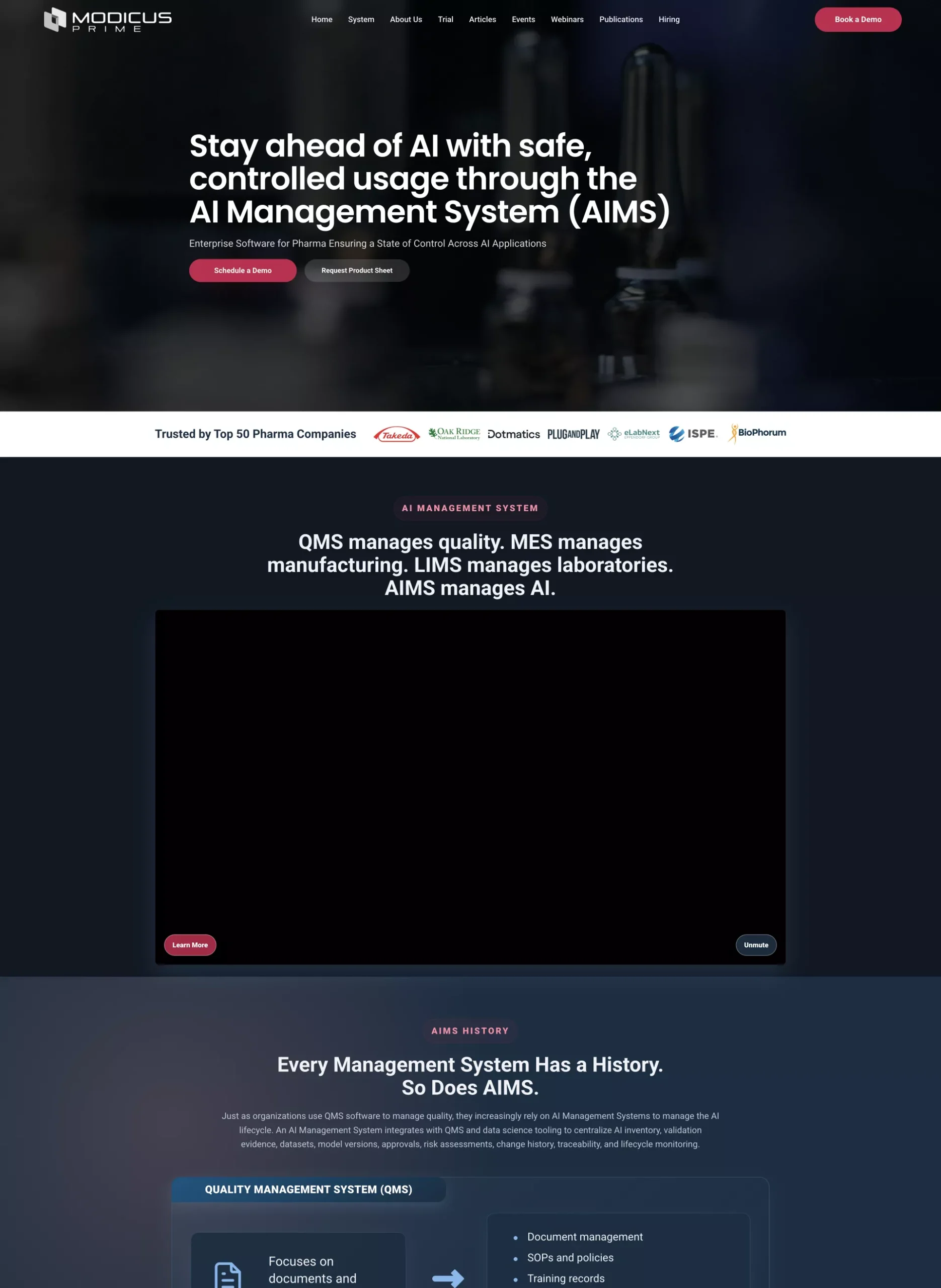
Modicus Prime is AI software that reduces pharmaceutical R&D and manufacturing costs.

Project overview
Modicus Prime is a self-service healthcare platform that gives biotechnology experts a new artificial intelligence technology for quality control. It ensures quality products on a regular basis, complete agency compliance, shorter time to market, and lower operating costs.
improvement in contamination detection accuracy
90%
Client Context
Domain: Biotechnology, AI
Location: United States
Timeline: June 2020 – October 2020
Team: Project Manager, Backend Developer, Frontend Developer

Challenges
- Expensive contamination losses — pharmaceutical research and production experience massive financial losses due to contamination and quality issues.
- Slow manual analysis — classical biologic image inspection was manual, time-consuming, and subjective.
- No visibility into product quality — companies could not assess quality during the production process itself.
- Reliance on specialists — existing solutions require data scientists, creating bottlenecks for biotech teams.
- Compliance risk — ensuring full GxP and regulatory compliance is challenging across both R&D and manufacturing.
- Competitive pressure — other industry leaders had already started using AI as a strategic tool.
Tech stack
Backend

Frontend

Delivery Approach
Catching contamination in pharmaceutical production is usually slow, manual, and expert-dependent. Intobi set out to change that — building Modicus Prime’s AI quality platform through a deliberate, iterative approach.
Discovery
Intobi began with the core problem – costly, subjective, manual biologics inspection that gave companies no real-time view of quality and leaned heavily on scarce data scientists – and defined a self-service AI platform biotech teams could run themselves.
O
Oleksandr
Project Manager
Architecture
Intobi designed a scalable architecture for GxP-compliant AI, built to analyze large volumes of imaging data in real time and to let scientists train and deploy their own detection models without writing code.
A
Andrii
Backend Developer
Backend
In Python, the backend delivered the computer-vision engine behind contamination detection, automated biologics image analysis, batch processing across entire production runs, individualized model training, and GxP-compliant records that interoperate with existing lab systems.
S
Sviatoslav
Backend Developer
Frontend
With React.js, Intobi built a self-service interface for scientists, intuitive model training, real-time contamination alerts, and interactive quality-analytics dashboards that turn complex biological image data into immediately actionable insight.
A
Artur
Frontend Developer
Testing
Through iterative builds, Intobi refined the computer-vision algorithms across hundreds of test cases and hardened the platform for GxP-compliant, production-scale use — reaching up to 90% contamination-detection accuracy before adoption by a Top 10 Pharma company and Takeda Pharmaceuticals.
O
Oleksandr
Project Manager
Ready to bring AI-driven quality control to your own R&D pipeline?
Contact usKey features
Standardized pharmaceutical control AI
Modicus Prime’s AI platform now covers the entire product-quality lifecycle in one space: self-service AI training, on-the-fly contamination monitoring, automated biologics image analysis, GxP-compliant documentation, end-to-end quality assurance, and integration with other labs — changing how pharmaceutical companies approach quality control to avoid financial loss from contamination.
A more efficient quality control platform with enhanced analytical tools
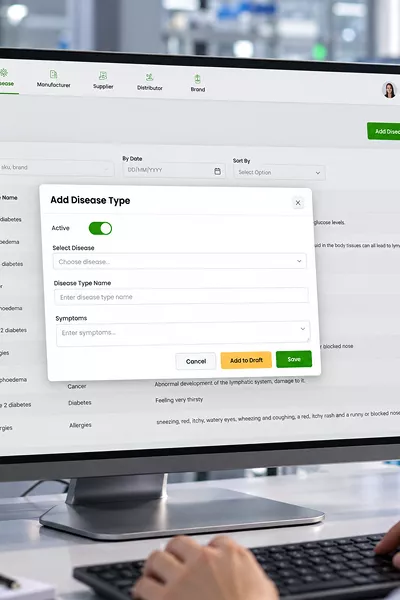
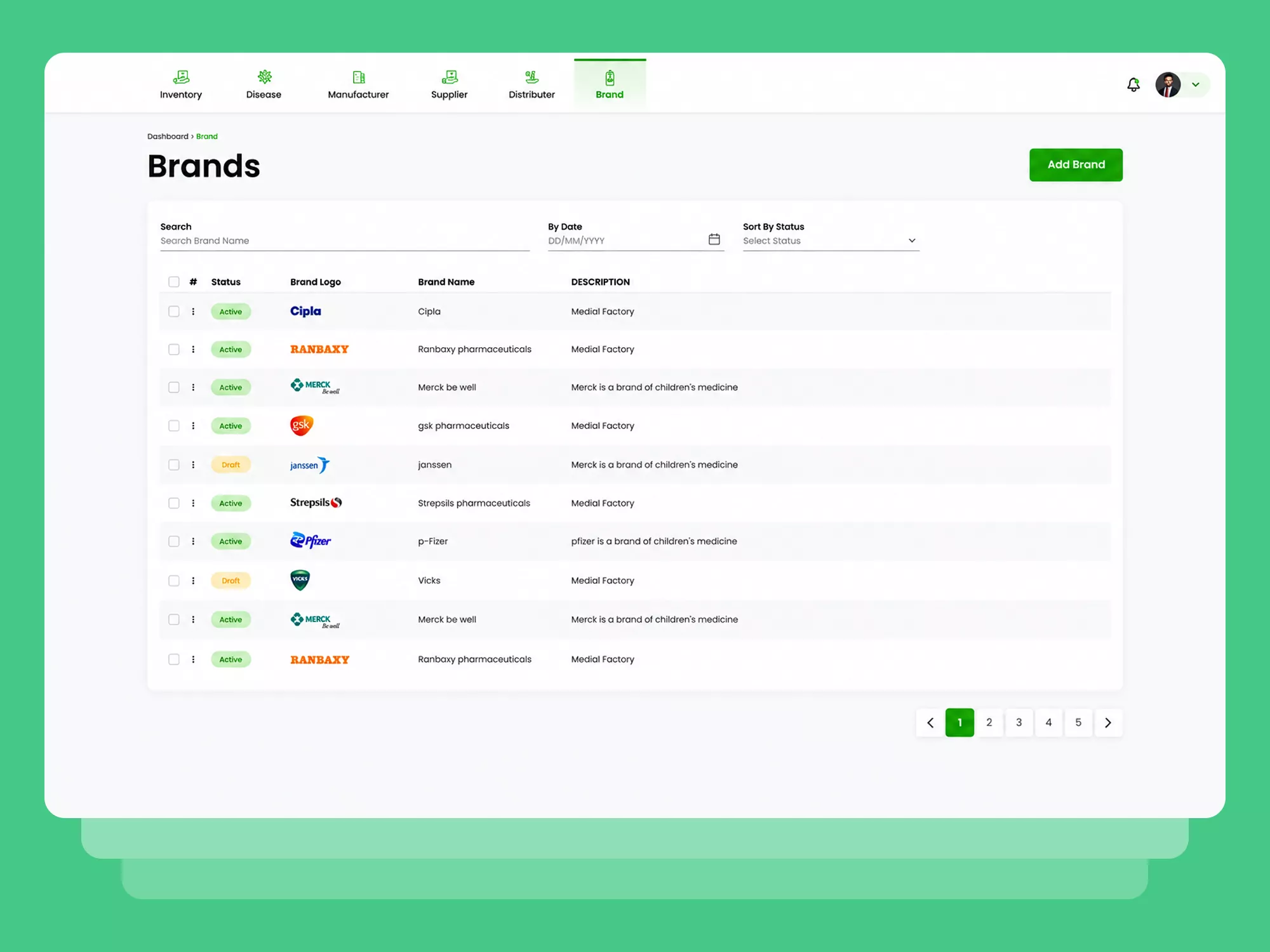
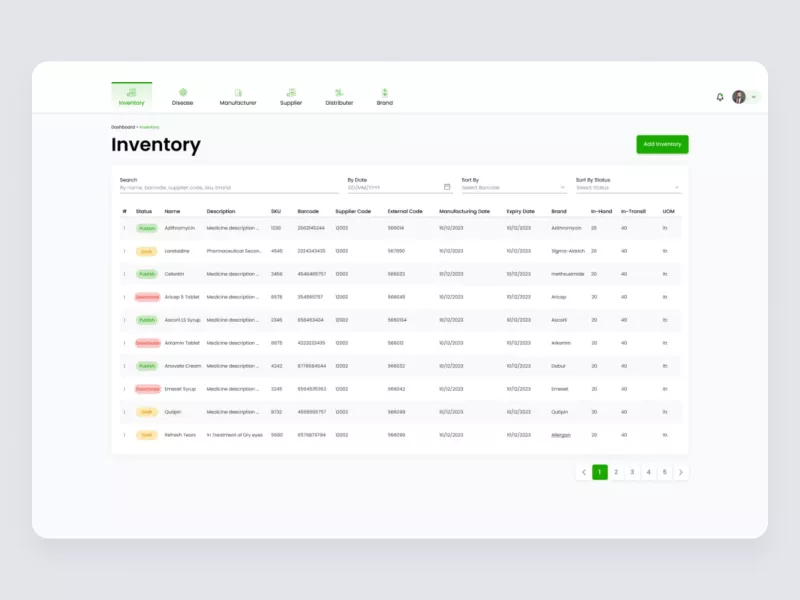
Intobi reimagined the quality-assurance process to automate biologics analysis while ensuring compliance with industry standards: a self-service intuitive interface lets scientists train models without coding expertise, intelligent detection devices deliver real-time contamination warnings and automatic imaging classification, and GxP-compliant records interoperate with existing lab systems using proven analysis algorithms.
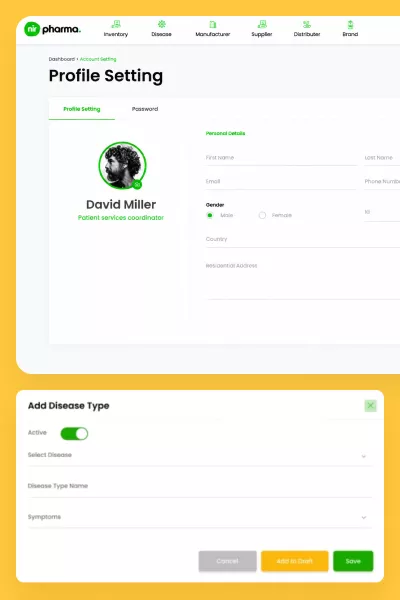
Improved software interface
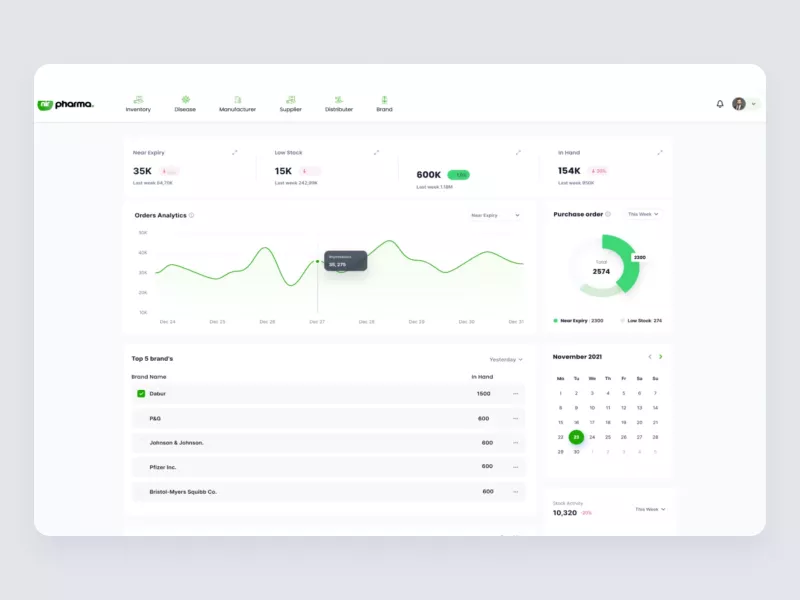
Updates for scientists enhance the analytical workflow without added complexity: individualized AI models and data analytics automatically surface the best detection models for a lab’s unique quality requirements, and direct connections to lab equipment give scientists, QA specialists, and production teams immediate visualization of results.
Software core architecture
Intobi upgraded the underlying AI algorithms for accurate, real-time analysis even over large volumes of imaging data: interactive quality-analytics dashboards convert complex biological image data into immediately actionable visual insights, batch processing finds contaminants across whole production batches in a single operation, and high-accuracy imaging algorithms instantly flag contaminants matching predefined quality parameters.
Results
Self-service AI lets scientists train and deploy new quality-control models in days, not months — a GxP-compliant platform already adopted by a Top 10 Pharma company and Takeda, with $2–5M potential cost avoidance per incident and ~30% less QA overhead.
detection accuracy up
90%
lower contamination risk
40%
less data-science reliance
70%
What client said
Jodi Usama, CTO
ARYZE
“Their high-level developers at cost-effective prices are impressive. As a result of their partnership with Intobi, the client has developed their products faster than expected; they've finished five projects and are currently working on their sixth project together with the vendor. The team's proactive recommendations for problems have also been invaluable.”

Does Modicus Prime require a data science team to operate?
No, the case describes a self-service AI training workflow that lets scientists train and deploy detection models directly, cutting dependency on external data-science teams by 70%.
Is Modicus Prime compliant with pharmaceutical regulations?
The case describes Modicus Prime as proprietary, GxP-compliant software built to ensure complete regulatory compliance at both the R&D and manufacturing levels.
Has Modicus Prime been adopted by real pharmaceutical companies?
Yes, the case states the platform has been successfully tested and adopted by scientists at a Top 10 Pharma company and at Takeda Pharmaceuticals.
How does Modicus Prime detect contamination?
The case describes AI-powered computer vision that automatically analyzes biologics images, with real-time monitoring, batch processing across entire production runs, and high-accuracy flagging against predefined quality parameters, improving detection accuracy by up to 90%.