

Native iOS and Android apps bringing AR and 3D anatomical models to any device.
Artelligent
Artelligent is an AI-powered app that helps you navigate a museum.
Project overview
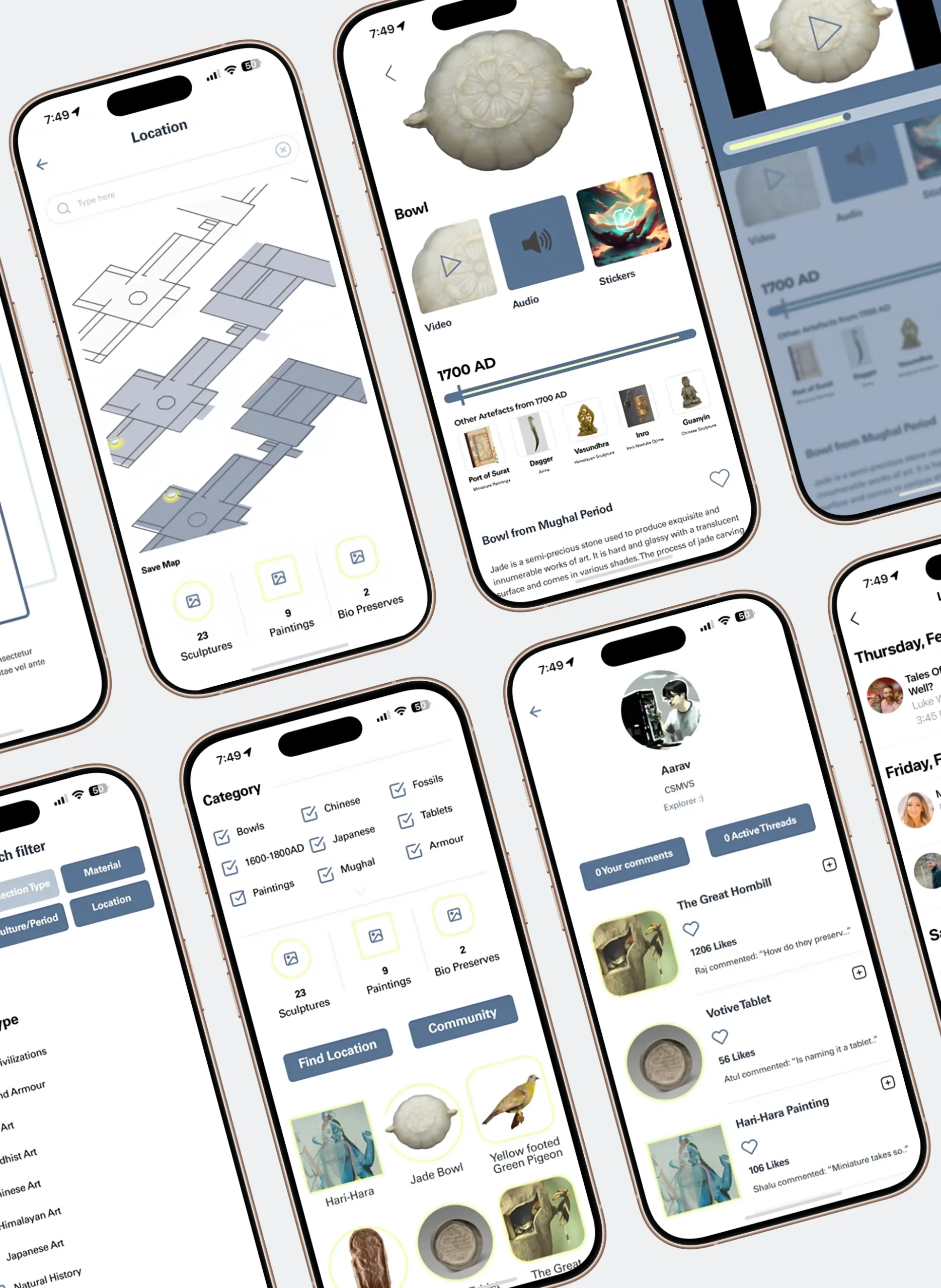
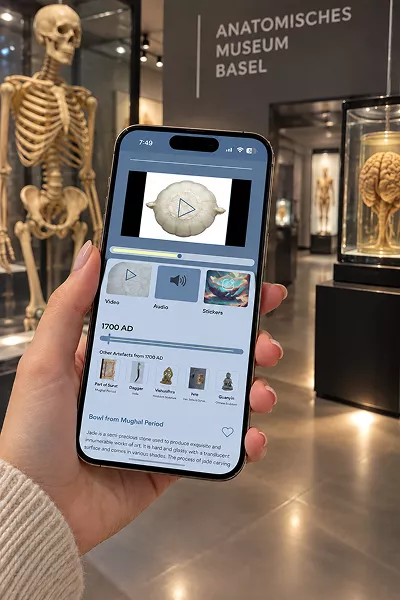
Artelligent is an AI-powered app that builds a personalized route through the Anatomical Museum at the University of Basel based on each visitor’s interests, designed for students, professors, and anyone drawn to medicine, it maps an optimal path and highlights the halls that match the chosen filters.
better learning retention
40%
Client Context
Domain: EdTech
Location: United Kingdom
Timeline: June 2021 – December 2022
Team: Back-end Developer, React Native Developer, QA Engineer, UX Designer, Medical historians (University of Basel)
Challenges
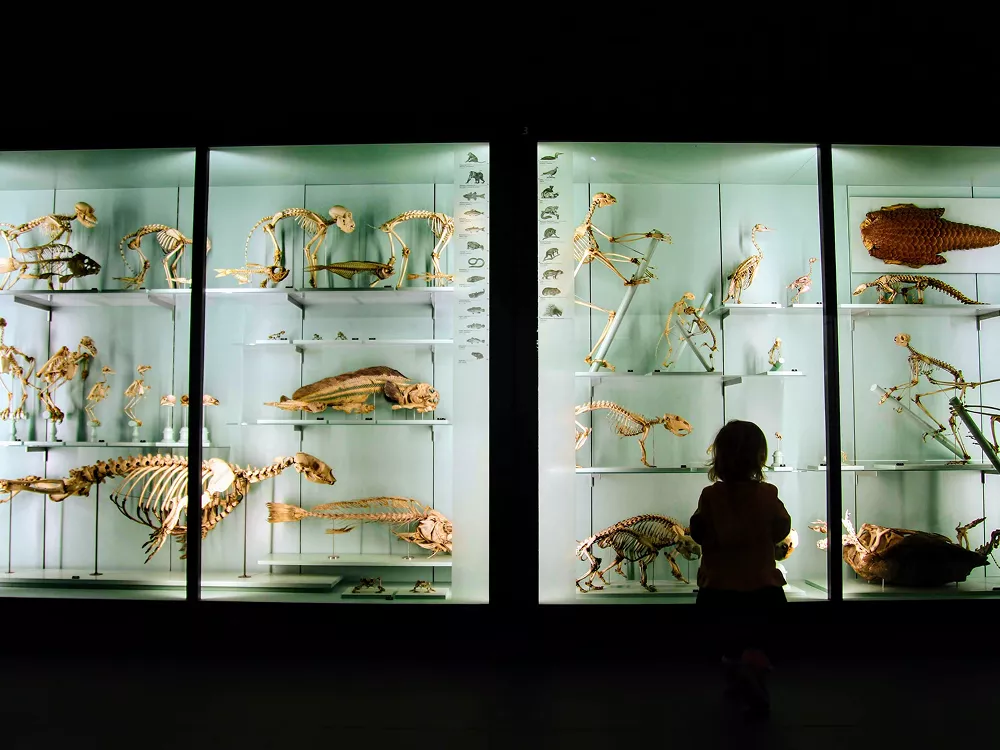
- Low engagement — the museum experienced low student attendance.
- Outdated navigation — traditional paper guides and static displays did not connect specimens to modern medical curricula.
- Waste of time — people interested in a particular topic had to walk around the entire museum with a tour guide instead of going directly to what mattered to them.
- Scalability issues — there was a lack of technical expertise to create a digital solution able to adapt to different curricula and future expansions.
Tech stack
Backend

Frontend

Delivery Approach
Discovery
Working alongside the University of Basel and its medical historians, Intobi mapped how students, professors, and visitors move through the Anatomical Museum — and where paper guides and static displays fell short, to define an AI-guided experience shaped around each visitor’s interests and curriculum.
A
Anna
UX Designer
Architecture
Intobi built Artelligent’s core around an AI route-building engine and a cloud-based CMS designed for expansion, engineered to generate optimal routes quickly and accurately even with many concurrent users, and to adapt to different curricula over time.
D
Danylo
Back-end Developer
Backend
On Node.js, backend development focused on the AI algorithms behind personalized and mass route generation, curriculum-aligned content, and visit analytics that turn exhibit and hall popularity into clear trends – with every material validated by university faculty before going live.
A
Andrii
Back-end Developer
Frontend
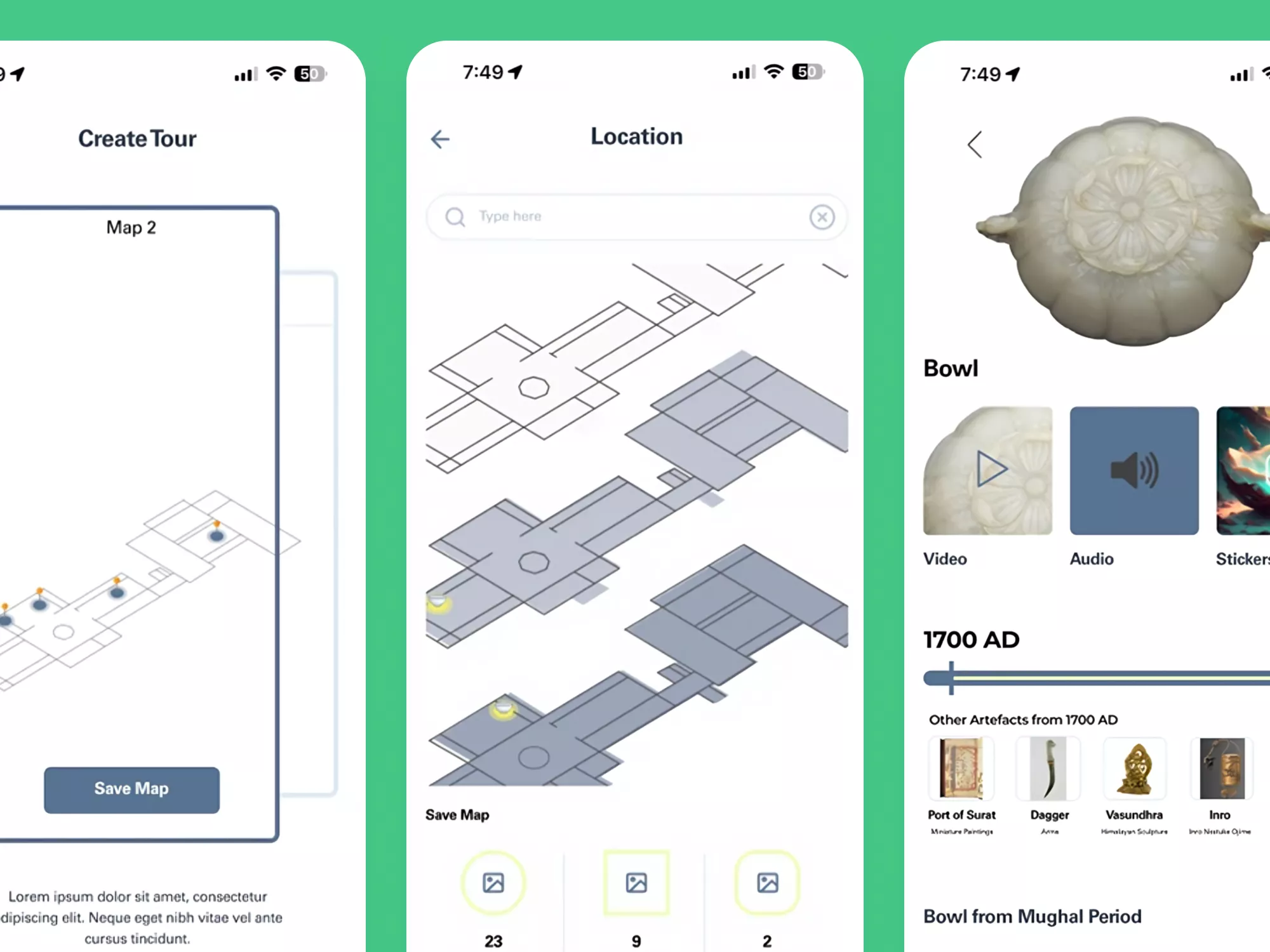
Built with React Native, the native iOS and Android apps bring the collection to life with AR visualization, highly accurate 3D specimen models, personalized routes marked directly on the museum map, and integrated annotation tools – all working consistently across devices.
V
Valerii
React Native Developer
Testing
With dedicated QA and close faculty review, Intobi spent six months refining the AR core and infrastructure, validated the experience across all devices, and shipped a steady cadence of updates – 15 in a single academic year as Artelligent was integrated into mandatory medical programs.
I
Ivan
QA Engineer
Ready to turn a static exhibit into an AI-guided learning experience?
Contact usKey features
Universal application for medical education
The AI-based platform covers the entire anatomical learning cycle in a single space: personalized learning paths, interactive specimen exploration, curriculum-aligned content, augmented reality visualization, knowledge assessment tools, and seamless academic integration—changing how students approach medical specimens and simplifying access to complex anatomical knowledge.
A more engaging learning platform with enhanced educational tools
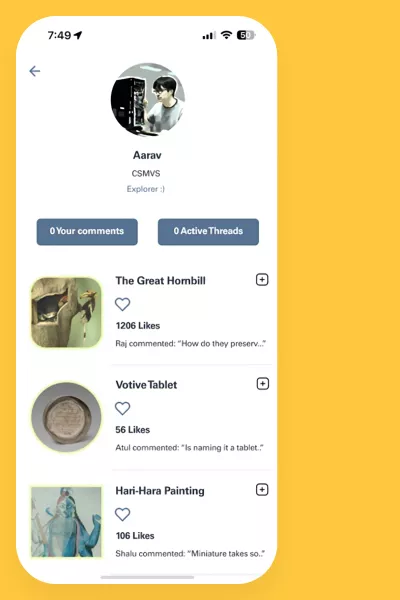
Intobi reimagined the museum experience with intuitive navigation—AI-generated routes that lead students to specimens based on the curriculum—advanced learning tools such as intelligent recommendations for related exhibits and automatic tracking of study sessions, and optimized medical content, including highly accurate 3D specimen models and integrated annotation tools.
Improved app interface
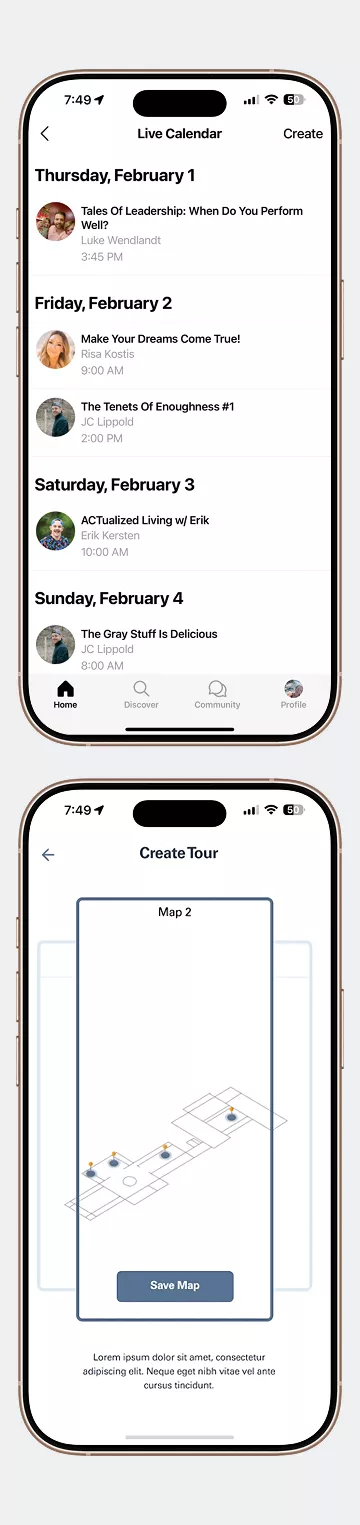
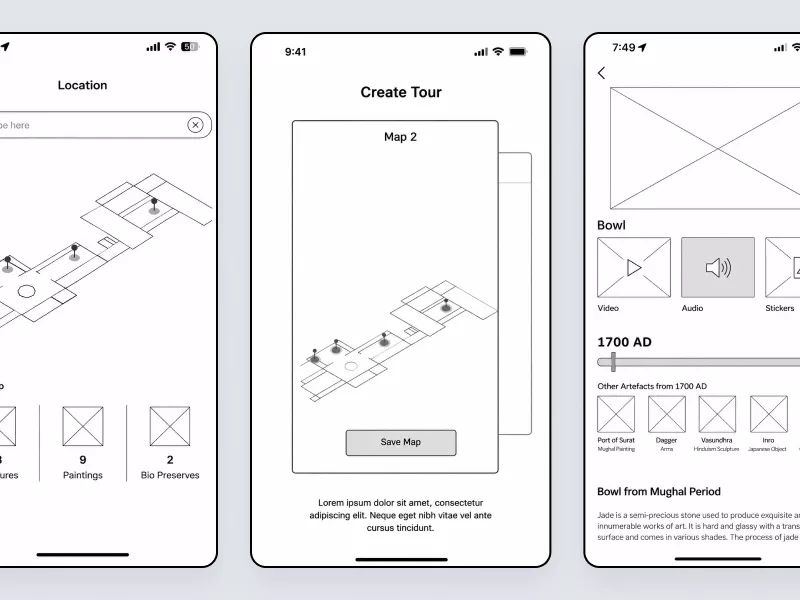
Updates for museum visitors make navigation easier: personalized routes and interest analytics let visitors set preferences so the AI builds an optimal route through the Anatomical Museum, marking rooms that match selected filters, with integration into the museum map giving automatic route and room visualization.
Application core architecture
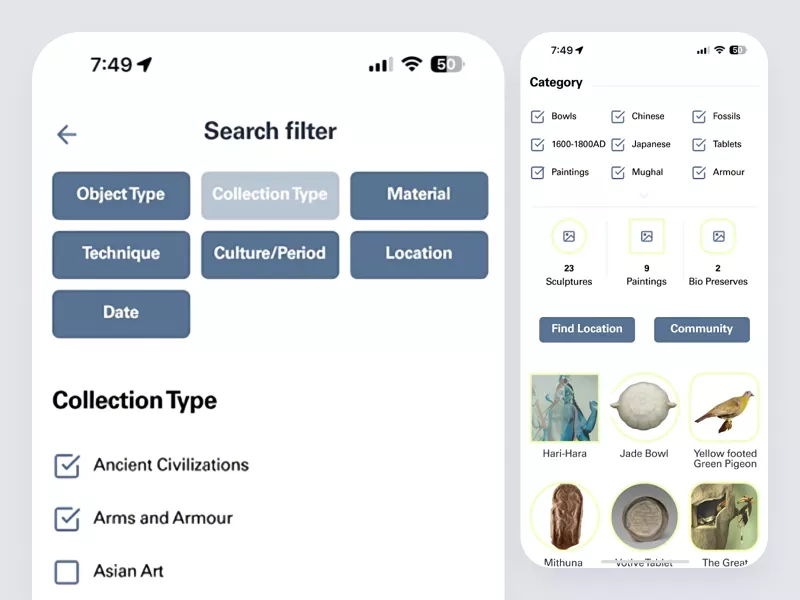
Intobi enhanced Artelligent’s algorithms so routes are built quickly and accurately even with many concurrent users: interactive visit analytics turn exhibit and hall popularity data into clear trends, mass route generation creates optimal routes for groups of students or delegations in a single action, and accurate mapping displays locations matching selected filters instantly.
Results
The platform delivered measurable gains in learning outcomes and adoption, with all materials medically validated by university faculty and native iOS/Android apps, featuring AR, 3D models, and curriculum integration, running across every device on a cloud-based CMS built for easy expansion.
better learning retention
40%
downloads in 3 months
5,000+
updates in one year
15
What client said
Yuriy Tyurin, Director
ConceptAngle Consulting Pty Ltd
“They demonstrated excellent communication with our development team and resolved any questions about the backend. Intobi delivered a complex interface and functionality in record time, incorporated into an existing platform's backend. The team smoothly interfaced with the in-house developers, excellently communicating on Slack and Zoom and resolving any concerns. Moreover, their honesty and openness stood out.”
Related Services
A cloud-based CMS engineered for easy content expansion and curriculum updates.
Interactive, filter-driven navigation that turns a museum visit into a guided learning journey.
Who is Artelligent designed for?
The case describes the app as suitable for students, professors, and anyone interested in medicine, specifically built around the Anatomical Museum of the University of Basel’s collection.
Is the educational content in the app verified?
Yes, the case states that all materials undergo medical validation by university faculty before being included.
Does the app work for group visits, not just individuals?
Yes, the case describes mass route generation, which creates optimal routes for groups of students, tourists, or scientific delegations in a single action.
What makes the exhibits interactive?
The native apps use AR visualization and highly accurate 3D specimen models, paired with annotation tools and curriculum-aligned content, turning static specimens into a hands-on learning experience.